I was wrong about the Studio Display and 5K
For almost two years, I’ve told you the Studio Display is the superior display for a Mac and that 4K displays aren’t great. I do love my Studio Display, but I’ve been stubborn about everything third-party displays offer. You can get lots of features you can’t get on Apple’s display, usually for less.
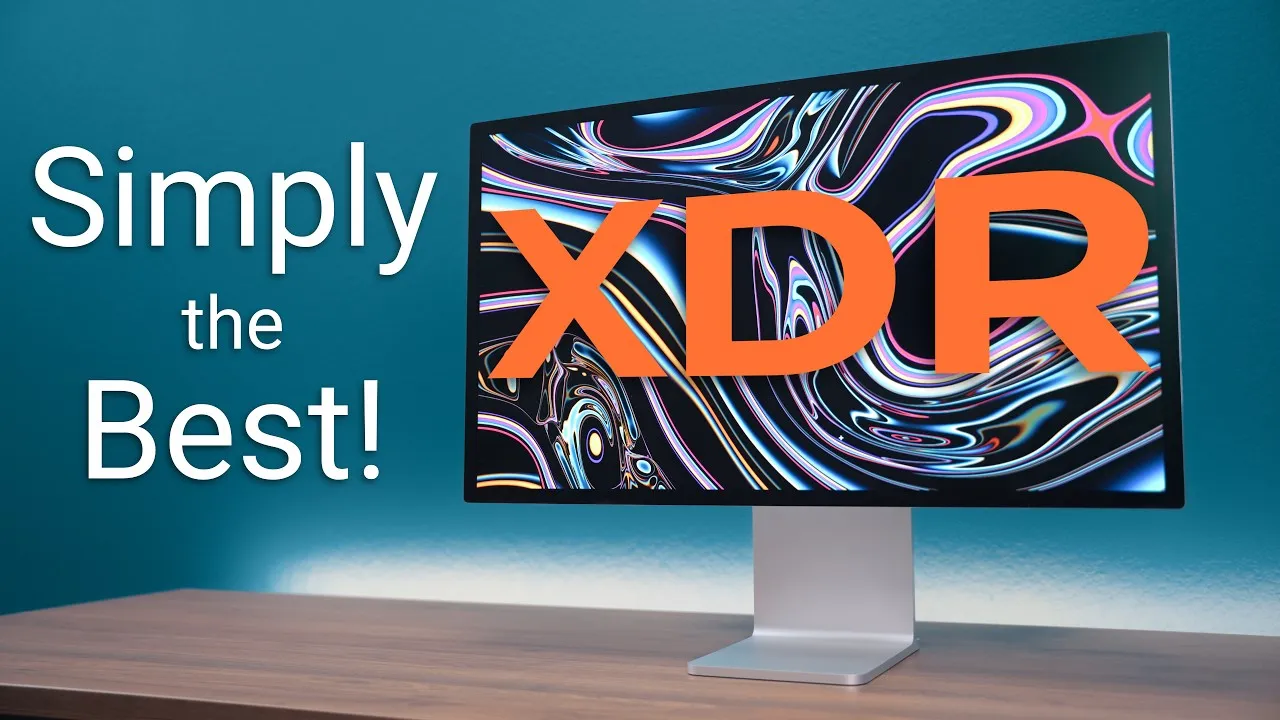
What I love about the Studio Display
Mine is the $2,000 model with the height- and tilt-adjustable stand, $400 more than the base tilt stand, but it’s super nice.
- Design: all aluminum, symmetrical bezels, and a classy, inoffensive look. The overengineered stand moves with one finger and feels balanced and sturdy. You can’t find that craftsmanship on any third-party display.
- Camera and mics: the camera does its job, okay I guess, and the three-mic array is pretty good for Zoom, FaceTime and Teams.
- Speakers: six speakers with spatial audio, really good, better than any other display’s. I use them for everything.
- macOS integration: it wakes almost instantly, the Mac keyboard controls volume and brightness, and True Tone and auto-brightness just work.
- 5K scaling, the big one I’d convinced myself of. Apple’s 5K is 5120×2880 but shows everything at the size of 2560×1440, with four pixels for every one, so things are the right size but much sharper. On a 27-inch 4K, doubling gives you a 1080p-sized workspace where everything looks too big; scaling to another size makes things less sharp because pixels don’t line up.
But I was wrong
There are many good reasons to look at 4K or other displays. Maybe you don’t need all those features, want a high refresh rate for gaming, or it’s the price.
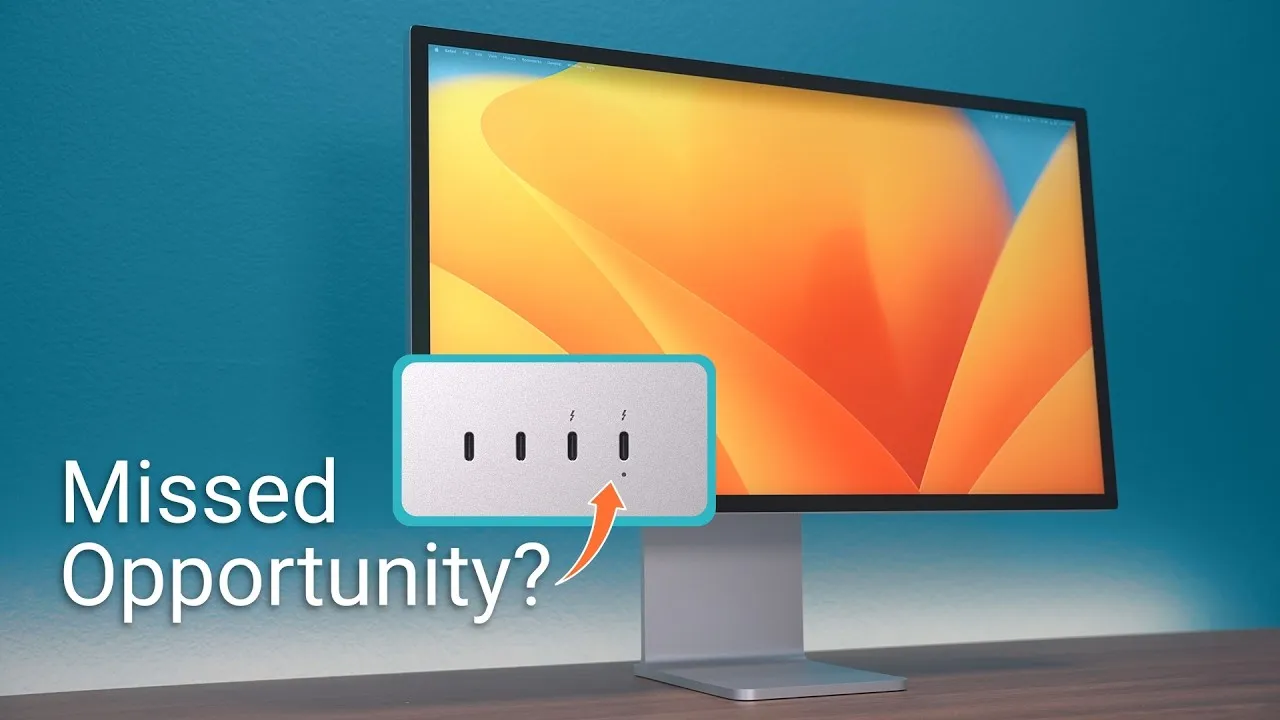
Ports. For a lot of you, it’s about ports. The Studio Display has one Thunderbolt input and a few USB-C ports, no HDMI or DisplayPort. The Dough Spectrum 4K with Gorilla Glass has dual HDMI, DisplayPort and USB-C, so you can connect up to four computers or consoles. Honestly, though, you’re better off with a dock or hub for connectivity.
CalDigit sponsored this video, with its docks and hubs.
High refresh rate. Great for gaming and for everyday computing; on my MacBook Pro’s ProMotion display, scrolling, animations, even the cursor feel smoother. The Studio Display doesn’t have it. The Spectrum 4K does 144 Hz at nearly half the price, without a stand. That’s a feature: add Dough’s stand, or save $100 and use any VESA stand or arm. You’re not stuck with a stand that’s permanently attached.
Bigger and wider. The Samsung Odyssey G9 is something Apple will never make: a crazy-wide 49-inch curved display, like two 1440p displays side by side, at 240 Hz, OLED with real blacks and HDR, and speakers.
Smart displays. The Samsung ViewFinity S9 is a 5K like the Studio Display, with a camera, speakers, and a full smart-TV interface with media apps and game streaming, maybe for a dorm or studio apartment. It’s usually on sale for $1,100–1,200. After a couple of weeks, I don’t think the smart features are worth paying for, and its speakers and camera weren’t great.
No extras you don’t need. Most displays from Dell, HP, BenQ and others skip the webcam and speakers. Why pay for them?
- A webcam like the Opal C1 or Elgato Facecam gives a far better picture than the Studio Display’s ultra wide camera, which kind of sucks, with manual controls.
- Desktop speakers can give more sound and better stereo separation. I like the Kanto YU2, with a built-in DAC so the Mac keyboard controls volume; they sound really good for the size and price. The more I think about it, the more I miss their bigger soundstage.
Color work. The Studio Display’s color works well for my videos and photos, but for real color work there are better options, like the EIZO ColorEdge with a true 10-bit panel that shows more colors.
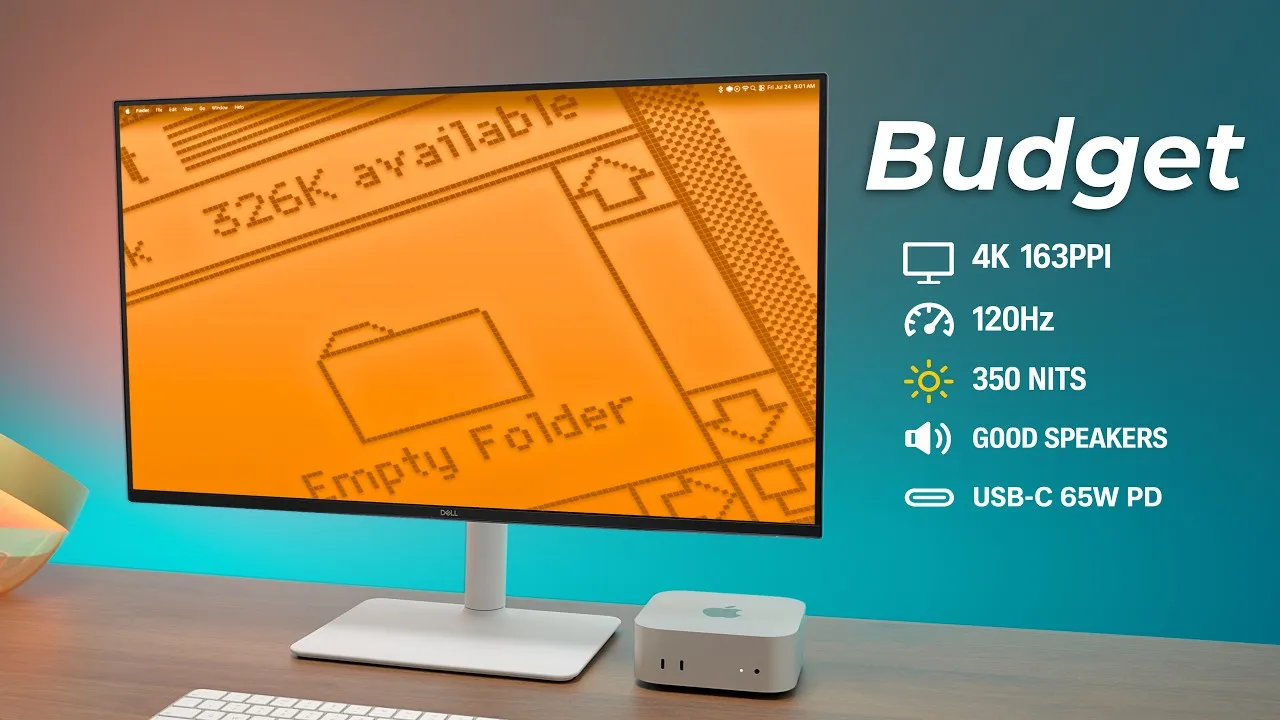
Price. Something simple like the Samsung UR55, a 28-inch 4K, isn’t great, but I used two for quite a while, and with a little color adjustment they’re more than enough for everyday work, usually for about $250 or less.
So what if things are a bit bigger?
All these options have me rethinking my stubbornness about macOS scaling. So what if the interface is slightly bigger? I’m not getting any younger, and most of you won’t care or notice. I’d like more 5K-and-up options, but it’s no longer a deciding factor for me.
Would I still recommend the Studio Display? Absolutely. It’s still the easiest, most seamless display for a Mac, with actually good speakers, a cleaner desk, convenient macOS integration, and a simple, premium design you can’t beat. But if those things aren’t important to you, there are lots of great options to get exactly what you want.
Links
- CalDigit’s docks and hubs (sponsored)
- Studio Display
- Dough Spectrum 4K
- Samsung 28” 4k
- Samsung 49” OLED
- Eizo ColorEdge 4k
- Samsung ViewFinity S9
- CalDigit SOHO
- CalDigit TS4
- CalDigit Element
- CalDigit Thunderbolt 4 cables
- Kanto YU2 Speakers
- Opal C1 Camera
- Elgato FaceCam
- A Spectrum One you can ACTUALLY Buy! 144Hz 4K HDR
- CalDigit is my dock partner
- https://www.threads.net/@jerryschulzeonyt
- My iPhone Art
- Grovemade Desk Mat and Knife (save 10% JERRY10)
- UNLIMITED Cloud Backup for your Mac with Backblaze
Some links in this post are affiliate links, which means that if you click on one of the product links, I may receive a small commission. See my ethics statement.