I Bought Every White iPhone Ever! …and silver!
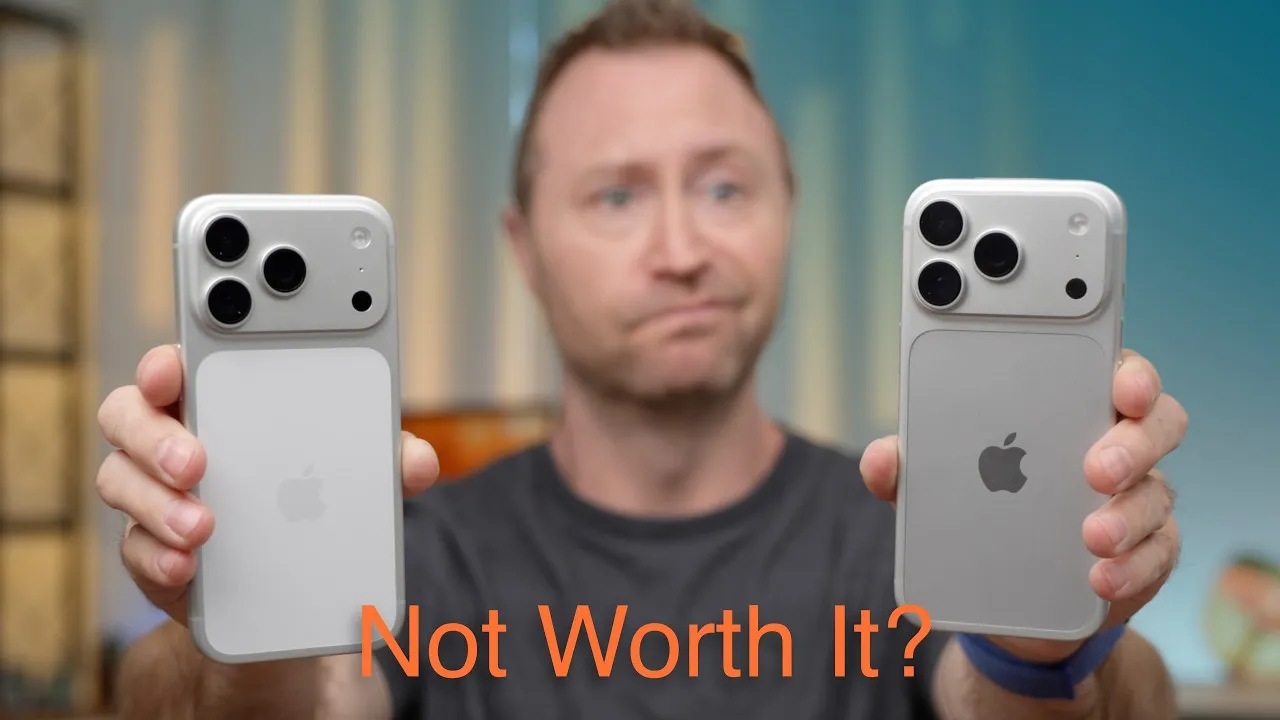
Over the last six months, I gathered every white and silver iPhone, from the original to the 15. Curved, squared, rounded; plastic, stainless steel, aluminum, glass and titanium. There are really four to six major designs, depending on how you look at it, and I always think the white or silver versions look best. Let’s take a trip down memory lane.
The original iPhone (2007)
I watched the unveiling live and instantly knew it would change the world. A 3.5-inch, 160 ppi display, no physical keyboard, and a browser far more capable than any other phone’s. It’s laughably small now, but phones were trying to get smaller back then. The touchscreen actually worked, plus swipe gestures, visual voicemail, a great iPod and maps. Even the super-recessed headphone jack was iconic because of how stupid it was; you needed an adapter for almost every pair of headphones.
My wife and I each bought one in August 2007 and had to switch from Sprint to AT&T, nearly $2,000 all told. The two-tone silver and black still looks cool, and the metal wraps around like a worry stone. The downside: like iPod backs, the bezel and Apple logo scratched instantly.
iPhone 3G and 3GS
The 3G addressed cost: with a plastic back and carrier deals, it dropped to $200 in the US. I wasn’t impressed with the design, but it broadened the iPhone’s appeal. 3G made apps usable away from Wi-Fi, though things still loaded painfully slowly. You could choose white with the 16 GB model; the buttons became silver metal and the headphone jack flush.
This started Apple’s tick-tock pattern of using a design twice: 3G and 3GS, 4 and 4S, 5 and 5S. The S originally meant speed: the 3GS was two to three times faster. The 3GS is the most comfortable iPhone ever to hold. I never owned one new; I’d moved to Vietnam, where iPhones were still carrier-locked.
UGREEN sponsored this video, with its Nexode X chargers.
iPhone 4 and 4S
In 2010, the iPhone 4 was stunning. Flat stainless steel sides, an Apple-designed processor, separate round volume buttons, a front camera, a flash, micro-SIM, and the first Retina display at 326 ppi, sharper than most desktop monitors even today. The glass sandwich was a huge change from plastic phones.
The steel band was also the antenna, which caused “antennagate”: hold it tightly and the signal could drop, and Apple basically said you were holding it wrong. None of that mattered to me. On my next trip to Hong Kong, I got a black-market iPhone 4 for way too much money and was happy. The 4S moved the band’s splits, presumably to fix the antenna. The white iPhone 4 shipped 9–10 months late over a manufacturing problem, and my white 4S has held up much better.
iPhone 5, 5S and 5C
The iPhone 5 grew the screen for the first time, from 3.5 to 4 inches. It had aluminum sides and back, a thinner body, the Lightning connector, speaker grilles, the headphone jack on the bottom, and the chamfered edges Apple loved. I moved back to the US at the end of 2012, picked one up, and was excited to use Siri for the first time.
The 5S looked identical except for Touch ID, far faster and more accurate than any fingerprint reader then. You just rested your thumb for a fraction of a second. It’s still the best fingerprint reader I’ve used (except the one in iPad sleep buttons; I hate that thing). The 5S also brought the first gold iPhone.
The iPhone 5C was unapologetically plastic, probably the most fun, casual iPhone Apple ever made, in super bright colors. It felt like something you could use without worrying. I wish Apple did more of this.
iPhone 6 and 6S
The biggest change ever: 4.7 and 5.5 inches, with the sleep button moved to the side. Besides the original, this was the upgrade I was most excited for. Unibody aluminum, very divisive antenna bands, and the first camera bump, which Apple’s ads tried to hide; imagine being upset by that bump today. The thin 6 Plus could bend (“bendgate”), but the 6S used stronger aluminum. It seemed common sense not to sit on your iPhone. The 6S was the first with an S on the back, and came in rose gold, basically pink.
The first iPhone SE put iPhone 6S internals in an iPhone 5S body, for people who didn’t want bigger phones.
iPhone 7 and 8
The 7 moved the antenna bands to the top and bottom, which looked much better, and raised the camera lip (lovingly called the wart). Apple removed the headphone jack; people, myself included, were upset. The 7 Plus added a 2× camera in an even bigger, uglier bump. The iPhone 8 looked the same but switched to a glass back for wireless charging.
iPhone X and XS
In 2017 came the stud and the dud: the iPhone 8, or $200–300 more for the iPhone X. Stainless steel again, a true edge-to-edge screen, no home button after 10 years, the first OLED iPhone, and Face ID, still my favorite way to unlock a device. Plus 4K video, animoji, and a notch, starting at $1,000. It felt dense, balanced and premium in a way other big phones didn’t, though the steel scratched just from taking a case on and off. I can barely tell the XS from the X.
iPhone XR, 11 and SE 2
The XR looked like the X and the 8 had a baby: a 6.1-inch all-screen design, aluminum edges, and great colors like the 5C. The 11 and 11 Pro split aluminum and stainless steel, a trend that continued, and the Pro gained a third camera. The SE 2 put newer internals in the iPhone 8 design.
iPhone 12 through 14
The 12 finally moved away from the iPhone 6’s rounded edges, with flat sides. Many people didn’t like the sharper edges, but I find them much easier to grip. The 12 mini arrived at 5.4 inches. Funny: the white 12 has a pink hue. The 12 Pro had frosted, pearl-like back glass, LiDAR, and a camera triangle people compared to stove burners.
The 13 Pro and 14 Pro changed only slightly: camera bumps kept growing like the sheriff’s hat in Scary Movie 3, the sleep button crept down the side, the US lost the SIM tray, and the 14 Pro swapped the notch for the Dynamic Island. Apple didn’t make a white iPhone 13 or 14, just Starlight, which isn’t white.
iPhone 15 Pro
The biggest change: titanium instead of stainless steel. It looks and feels great, about 20 grams lighter, with rounded edges that feel better in the hand. The mute switch became the Action button (mine’s a flashlight). Otherwise, it’s not that different from the 14, 13 or 12 Pro.
Where do we go from here?
The further from the original, the smaller the changes. To me, the iPhone 4 was the most innovative design yet; it bucked the trends of plastic, rounded phones at a time of crazy innovation. Once we went big with the iPhone 6, there was no going back, which is why there’s no mini today. We know what’s next: an iPhone 16 basically like the 15, and an SE 4 someday. Maybe the design around the glass is becoming irrelevant. Regardless, I’m still excited for the next iPhone.
Links
- Ugreen Nexode X 65W Charger(30% OFF)
- Ugreen Nexode X 160W Charger(25% OFF)
- Ugreen US Amazon Store(Up to 43% OFF)
- Wood Phone Storage Organizer
- No Case, No Screen Protector - 1 Month Later
- CalDigit is my dock partner
- https://www.threads.net/@jerryschulzeonyt
- My iPhone Art
- Grovemade Desk Mat and Knife (save 10% JERRY10)
- UNLIMITED Cloud Backup for your Mac with Backblaze
In this video
Some links in this post are affiliate links, which means that if you click on one of the product links, I may receive a small commission. See my ethics statement.