Sorry, Vision Pro Is Not The Future Of Computing...Probably
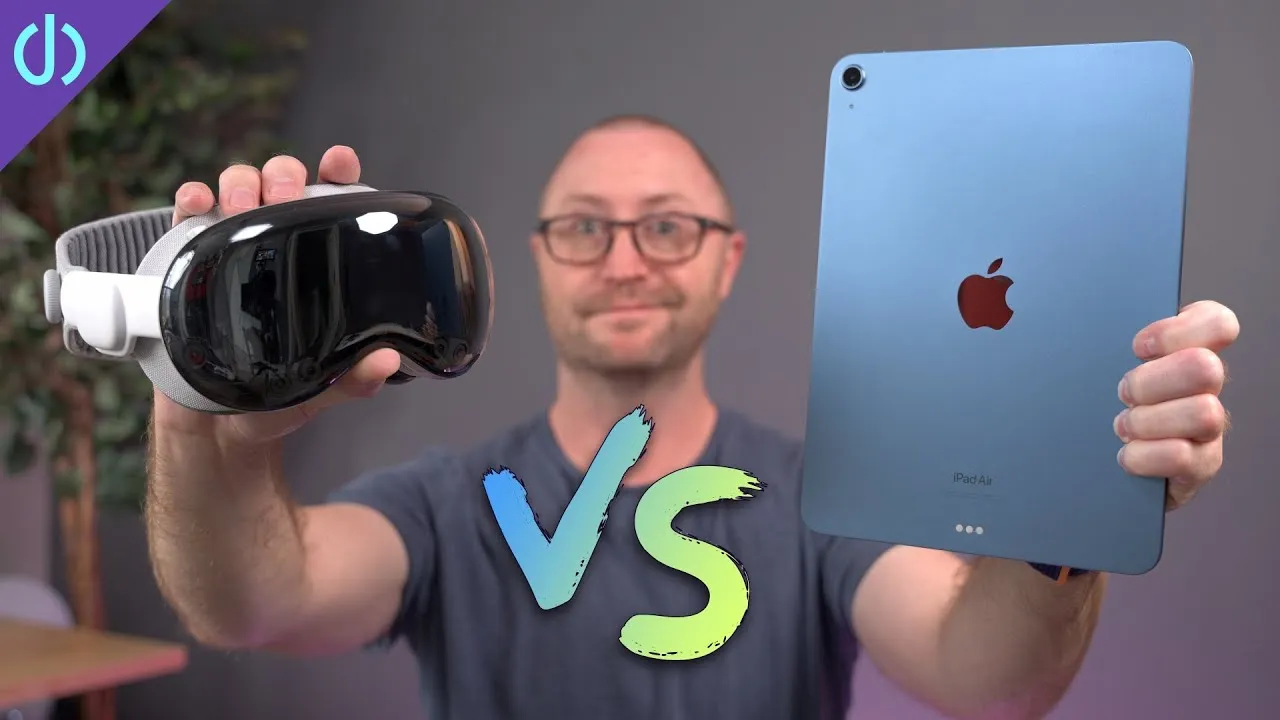
I’ve spent the last couple of weeks with Vision Pro: immersive games, movies in my own theater, browsing, and trying to do my daily work. At this point, I don’t think this is the future of computing. Let me explain.
It is really cool
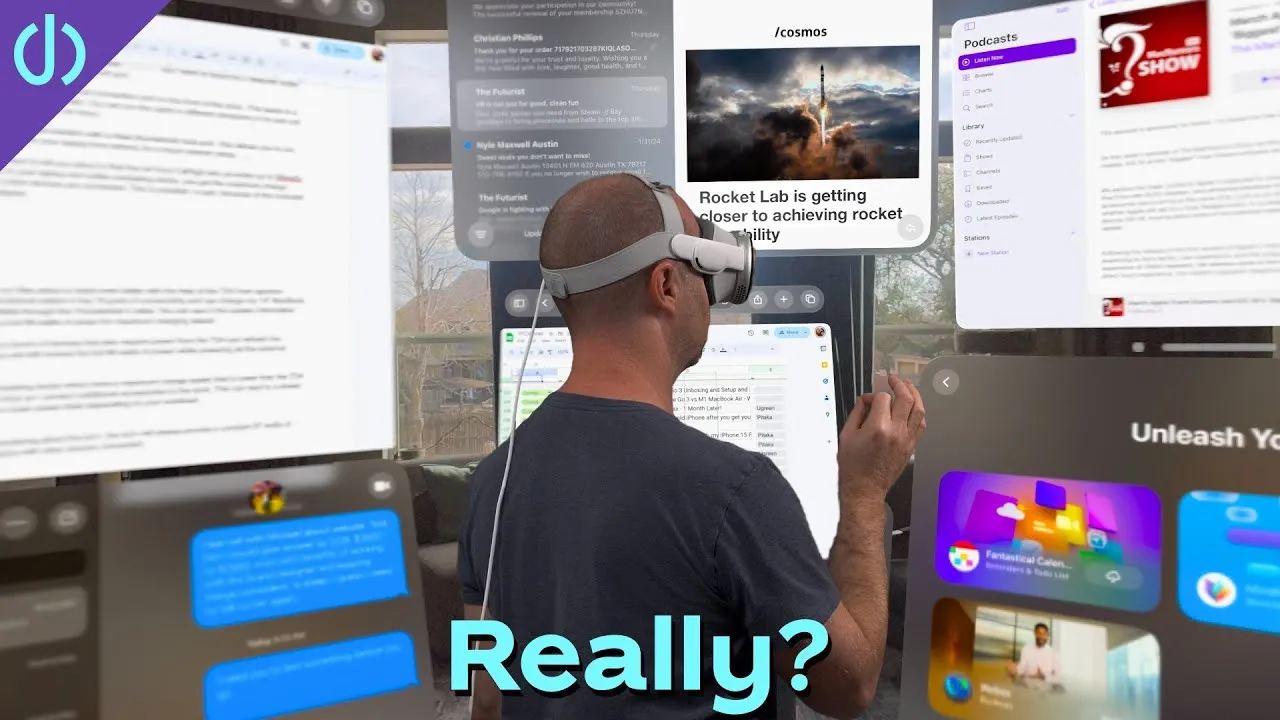
The technology is really, really cool. You can place windows all around you, be fully immersed in a game, or use your Mac on an unbelievably large display. Immersive 3D photos and videos feel uncanny, and the dinosaurs and pop stars can make you forget, for a moment, that they aren’t really there. Spatial apps let you build puzzles in your space, see a life-size race car, or manipulate a virtual skull with your hands. You want to try it all, until you don’t.
After two weeks, I’m finding it hard to find reasons to use it. (Don’t “hey old man” me unless you’ve owned one for more than a few days; a store demo can’t give you the full picture.)
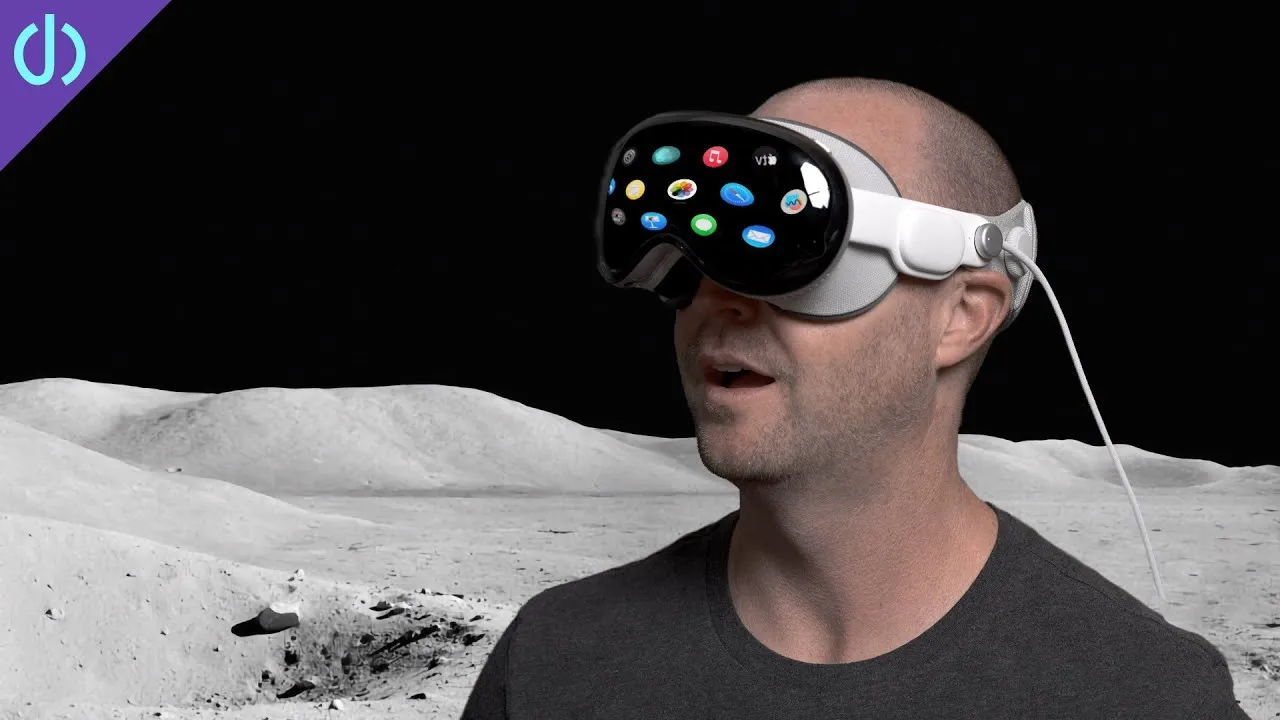
It’s strapped to your face
That’s the biggest barrier. Apple’s Face ID scanning to fit the Light Seal is incredible, but my scans varied, so I booked a fitting at the Apple Store. The first size didn’t feel perfect, so they gave me another. It’s not initially uncomfortable. The fitting felt a bit rushed, and I’m sure that’ll improve.
Apple includes two bands. The Solo Knit Band looks cool and feels good at first, but it holds on by squeezing your forehead and cheeks, which gets tiring quickly. The Dual Loop Band works better for me over longer stretches; the weight hangs on your head instead of strapping to your face.
I’ve watched YouTubers wear it for 24 hours, walk around town, go to Taco Bell, or “work” eight hours in it. Those are stunts they won’t keep doing. No matter how I use it, I’m always aware of it on my head. It feels foreign.
“But it’ll get smaller, and Apple’s goal is glasses!” Probably. But I don’t think people who don’t need glasses will want to wear them. I wear glasses because I need them, not because I want something on my face all the time. I own several pairs because they have different weights and pressure points, and sometimes I just need them off. Add computing, screens, corrective lenses and batteries, and they’ll never be as comfortable as regular glasses, at least not in the next 20 years.
The apps aren’t compelling enough
Movies in theater or immersive mode really feel like a huge theater or a 100-foot screen, bright and clear. I’ve tried 3D movies but still prefer 2D; something about classic 24 fps feels better. I do love immersive experiences like Encounter Dinosaurs, more than 3D feature films. But there’s noticeable glare on the lenses, and in immersive mode you can’t see your drink or snacks, so you either reach around blindly or keep switching immersion off.
Games: Synth Riders gets you off your butt swinging your arms to collect orbs, an awesome physical experience. Jetpack Joyride 2 puts a side-scroller in a cartoonish command center. Puzzles, Fruit Ninja and What the Golf mix your reality with theirs. They’re neat in short bursts, but my arms and body get tired. Some iPad games work on a big screen with a controller, but your favorite probably isn’t on the list yet.
Productivity apps just don’t offer enough to make me put it on:
- Safari isn’t better than on iPad. You can make it huge, but the controls are clunkier, buttons are harder to hit, and searching without a keyboard is painful.
- The enterprise apps I use for my day job on iPad and Mac aren’t available.
- Photoshop and Procreate aren’t there, and the art apps that are offer only basic pinch-to-draw.
- You can’t connect USB storage, hardware security keys, or other specialized devices.
- FaceTime, Zoom and Teams work, if the other person doesn’t mind your caricature.
- Email, calendars, notes, writing and messaging are harder than on any device you already use.
Some apps work better here, like touring a human heart, seeing a race car in your living room, or Zillow’s 360° home tours. But how often will you do that?
And it’s all isolating. You can’t share a movie or easily pass the headset to show someone the house you’re looking at.
Mac Virtual Display disappoints
You get a 4K display at any size you want. But making it bigger doesn’t give you more space, because everything just gets bigger too. It’s less sharp than a real 4K display and has a slight lag, like most remote desktop apps. If you have an external display, it’ll be better. In a hotel room with a laptop, I can see the benefit, even with the downsides. At home or the office, it’s not a better experience, today.
The future
That’s my caveat: it doesn’t make sense for regular, long-term use today, but it will keep evolving. I still don’t think most future computing will happen on our faces. Maybe tiny projectors get built into everyday things at home and in public, a gaming wall or room transforms around you, or stores see your clothes and recommend a new outfit, because the future is really all about ads.
Beyond the novelty, I don’t see this becoming a staple of everyday computing. It may find a place in education or gaming in short bursts. But choosing to wear something on your face all day, to do the same things you already do, only slower, seems unrealistic.
Links
- The Best Game Controller for iPhone 15/15 Pro - PERIOD!
- CalDigit is my dock partner
- https://www.threads.net/@jerryschulzeonyt
- My iPhone Art
- Grovemade Desk Mat and Knife (save 10% JERRY10)
- UNLIMITED Cloud Backup for your Mac with Backblaze
In this video
Some links in this post are affiliate links, which means that if you click on one of the product links, I may receive a small commission. See my ethics statement.