Going Caseless | Should you go without a case on your iPhone or Galaxy | How to go Caseless
I have a case on my iPhone 11 Pro, which I removed the other day to clean. Every time I take my phone out of its case, I remember how slim and sleek it is to hold. Cases give a phone a completely different personality, and it’s hard to believe anyone likes the feel better. Cases are big business: in 2018 and 2019 about 1.5 billion phones were sold worldwide, and the protective phone cover market was about $21.4 billion in 2018; at an average of around $12 per case, that’s around 1.8 billion cases, more than phones sold. Every time I see someone in public without a case, I wonder, “what would it be like to be so bold?” With all this time at home, I asked myself: should I go caseless in 2020?
Why people use cases
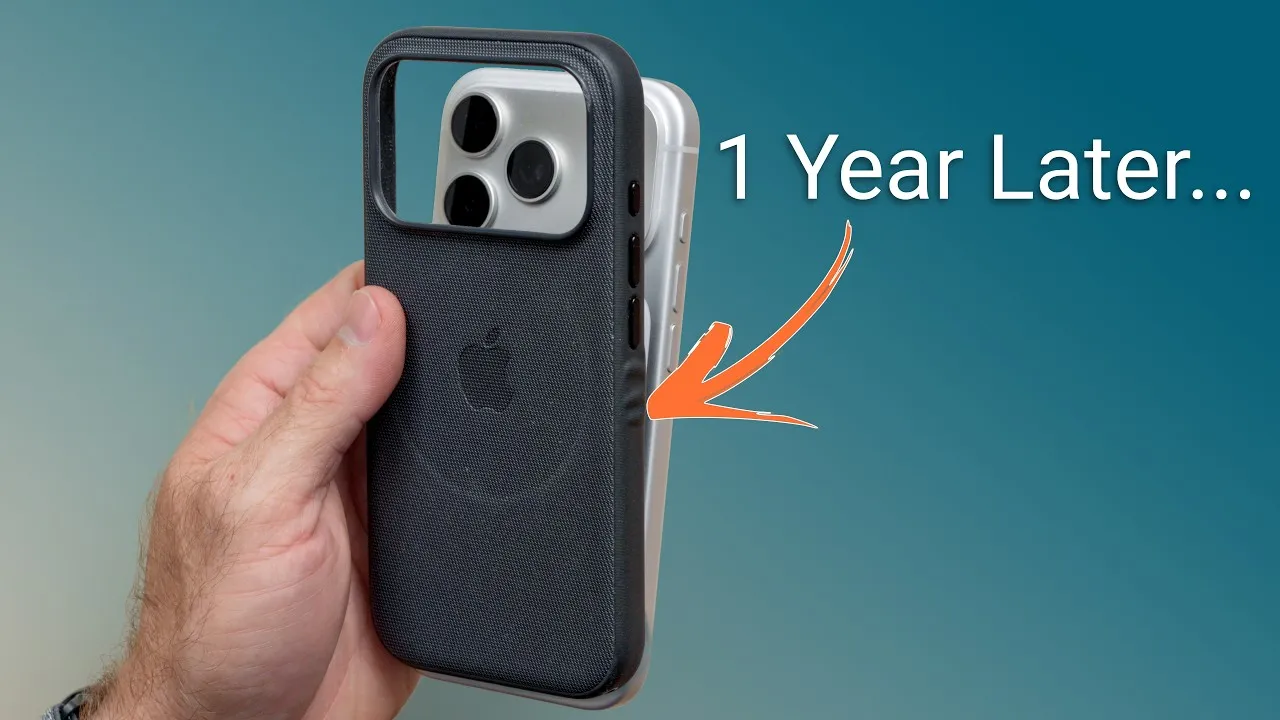
- Protection. Phones are more expensive than ever, some approaching $1,500, for a device we use more than anything else in daily life, and repairs can be hundreds of dollars for a screen or replacement. There are hard, rough surfaces everywhere, even at home: countertops, tile floors, stairs, concrete. It’s no wonder people put a $6 piece of rubber on to keep it from an “inanimate beating.” (I’ve never had a screen crack or had to replace a phone due to damage: “one moment while I knock on some wood.”)
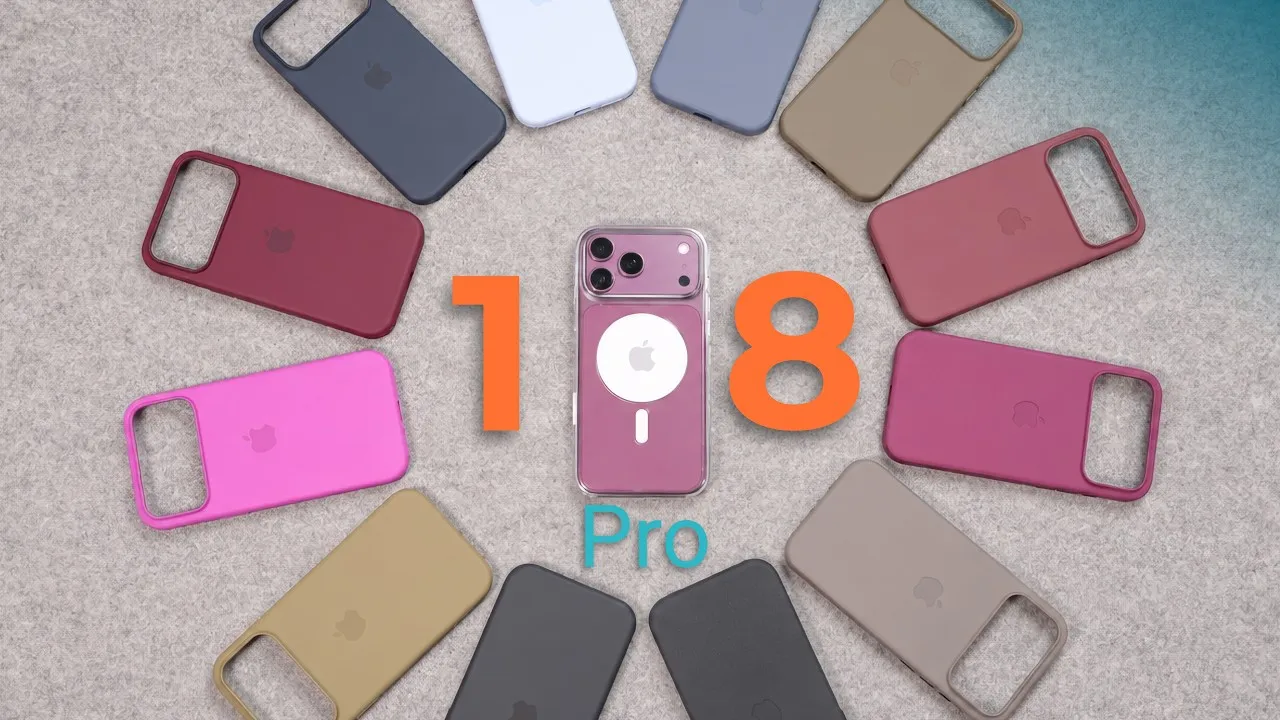
- Personalization. Search “[phone name] case” on Google or Amazon and you’ll find hundreds of options in color, design, material and personality: pink sparkle, a pink sparkle wallet, thick, slim, clear, printed, silicone, hard, dogs, cats, purple pandas, plush, battery cases, kickstands and finger rings. I stick to simpler designs, but I’ve bought over 40 cases since my first on Amazon in 2012 (iPhone 5), for iPhones, Galaxies, Pixels, Motorolas and Nexuses, mostly for protection and sometimes for bold colors or features.
The case against cases
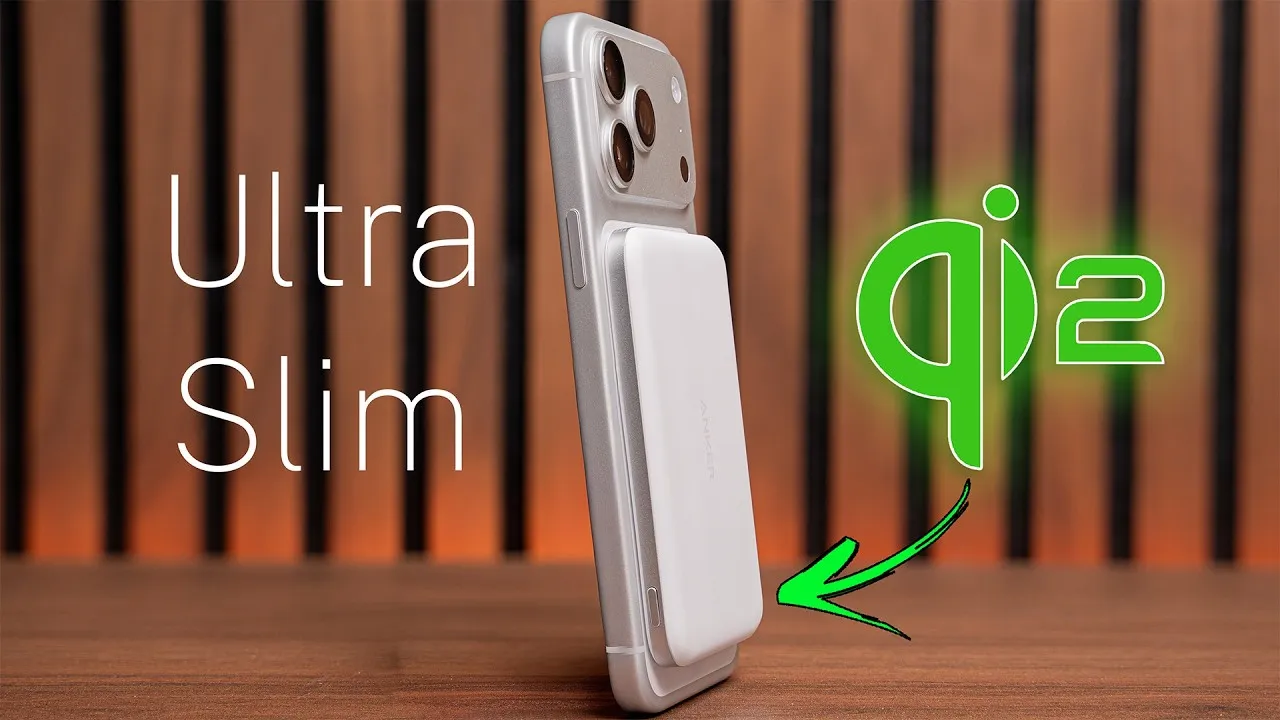
Tech companies spend hundreds of millions designing a beautiful, thin device, and some people just want to appreciate and experience the phone as it was meant to be. I can’t blame them. I’ve always envied people willing to go caseless, and with modern full-screen devices and swipe gestures, there’s no better response between finger and screen than when naked (“your phone, that is”).
How to go caseless
- Don’t be clumsy. Easier said than done, but you can reduce risk: don’t use your phone while walking; use it when stationary and devote attention to it, including on stairs, getting out of the car and waiting in line. “You know there’s nothing more important than checking that notification or responding to a Twitter troll at that moment.”
- Get insurance. Instead of a case, pay monthly for a protection plan from Apple, Samsung or your carrier (“freeball it all day long”). It’s more expensive than a case, but can you put a price on whipping out a smooth metal and glass sandwich and swiping to your heart’s content? Maybe, since a repair can cost $80 to $100 or more, and repairs in today’s crisis can be hard to come by.
- Don’t care. Resign yourself to the fact you’ll probably drop your phone when least expecting it, and enjoy the memories the marks make.
Verdict
Cases offer protection and personalization but hide the natural beauty of the hardware. You can cover your expensive new toy with plastic, rubber, glitter and accessories, or bare it all and risk everything. Either way, at some point your phone will unexpectedly leave your hands and hit a surface that wasn’t meant for polished metal and glass. Will you sigh in relief, curse the gods or laugh later? I still can’t decide: should I risk it all for the best swiping experience, or keep my baby wrapped in silicone and enjoy perfection only on the couch? Tell me in the comments.
Links
- Follow Me on Twitter
- Top 5 Cases for iPhone 11 Pro
- Spigen Liquid Air Review
- https://geni.us/AKQN
- Apple Silicone case review
- https://geni.us/sL5RPKE
- Apple Silicone long term review
- Shot with Canon M50
- iPhone 11 Pro and iPad Pro 12.9 3rd Gen
- Used DJI OSMO 3 Gimbal for some shots
- Tascam DR-10L Audio Recorder with Lav
- SanDisk 256GB Extreme Pro SD Card
- https://www.gartner.com/en/newsroom/press-releases/2020-03-03-gartner-says-global-smartphone-sales-fell-slightly-in
- https://www.grandviewresearch.com/industry-analysis/mobile-phone-protective-cover-market
Some links in this post are affiliate links, which means that if you click on one of the product links, I may receive a small commission. See my ethics statement.